Millions of people nowadays have included digital person-to-person payment services in their daily lives and mobile payment apps. With the mobile payment service and mobile apps like PayPal, Venmo, Zelle, Apple Pay, and Google Pay, you can send money to others without writing them a cheque, swiping a card, or handing cash. These services are gaining more and more popularity among both young and old to share money, whether it is about paying the bill for having a meal or making a donation to a charity, etc.
It is a known fact that these electronic payment services are accompanied by their own share of risks that can be exploited by scammers, fraudsters, and identity thieves to swindle the masses.
It must be mentioned that a majority of these mobile payment applications are also accompanied by a corresponding web-based service that has allocated comparable features that enable an individual to make transactions using a computer. The mobile application and the website version may have other features; however, their fundamental functions (to either send or receive money) are similar. And even though this article is focused on mobile apps, the risks and mobile payment security measures can be used in both the app and the web-based versions.
Potential Risks
In mobile payment applications, there is a great deal of data collection, which concerns several issues:
- Data Breaches: Although the security levels are high, data breaches may occur. Such a violation may compromise your personal data to criminal minds, which may cause identity theft, financial fraud, and other degrading effects.
- Data Sharing: They can share your data with a large group of third parties, such as retailers, financial institutions, payment processors, data brokers, and advertisers. Such information distribution may pose a risk to both information security and data theft.
- Lack of Transparency: It is also possible that some apps are not transparent in terms of data collection and sharing practices. To ensure how your data is used, you should carefully study the T&Cs.
- Cross-Border Data Flow: Your content can be delivered to the other country’s servers, and the problem of data protection and privacy regulations arises. The data protection level in various countries is not the same, and your data might not receive the same protection as it would in your home country.
Mobile Payments: How to be Safe using Mobile payment Apps and Services
Here is how to use peer-to-peer mobile payment and finance apps and remain safe.
- Be Suspicious and Wary of Frauds
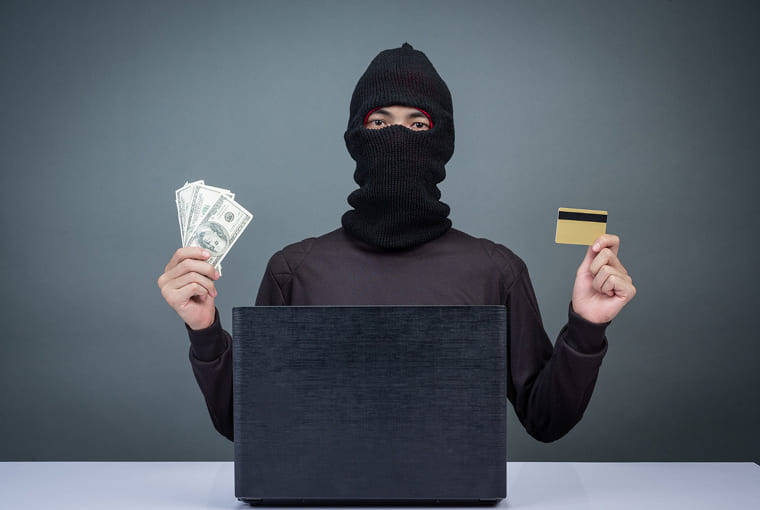
Regrettably, scammers might try to deceive you into sending money to them via a mobile payment application. A person may act like it is a member of his/her family who is in trouble, or they have won some money but have to pay some money to get the money. And to put this on you:
1. Never open suspicious links or share personal information and details with unfamiliar people.
2. Before sending, ensure that you have typed the recipient’s information correctly.
3. Install payment notifications; in this way, you will see right away whether you have been hacked or not.
- Secure Multi-Factor Authentication Accounts
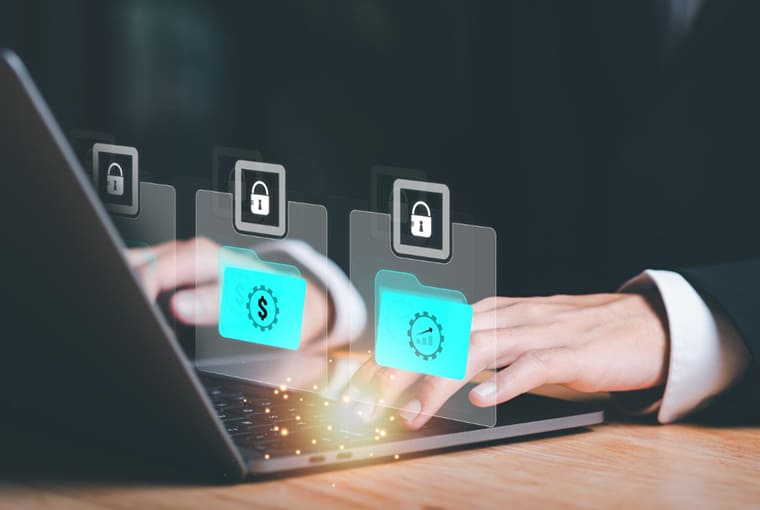
The mobile payment app will also send you a verification code by text, ask for your fingerprint or face identification, along with typing in your password. For secure mobile payments, do not reveal any credentials to anyone, and enable multi-factor authentication notifications so that you stay alerted if someone is attempting to log in using an unknown device.
- Update Your Applications and Phone
Whenever there is a fault in networks and software, scammers exploit it. Install automatic updates in your mobile payment applications, and bugs and other problems will be corrected. Your smartphone needs to have an updated internet browser and an operating system as well.
- Review All Transactions Regularly

Do not merely rely on your notification of payment on the digital app. Once the money is sent to a scammer, it is hard – or even impossible to retrieve it.
Monitor your bank account and credit card statements regularly to recognize any failed transactions. In case you realize that an unusual withdrawal is made through your mobile application account, follow up with the online payment service and the financial agents. It is also possible to report mobile payment app fraud to the Federal Trade Commission (FTC).
Conclusion
Although the saying that prevention is better than cure is well received, security procedures are usually sidelined in several companies, whereby, in an effort to make the development process faster, important security precautions are ignored. With the above-quoted tips, you can be able to protect against future threats and vulnerabilities possible through mobile payment or finance apps.
After all, mobile payment tools and web services simplify our existence, although we do not want to facilitate the activity of scammers, fraudsters, and hackers to victimize us. Stay vigilant and stay safe.